

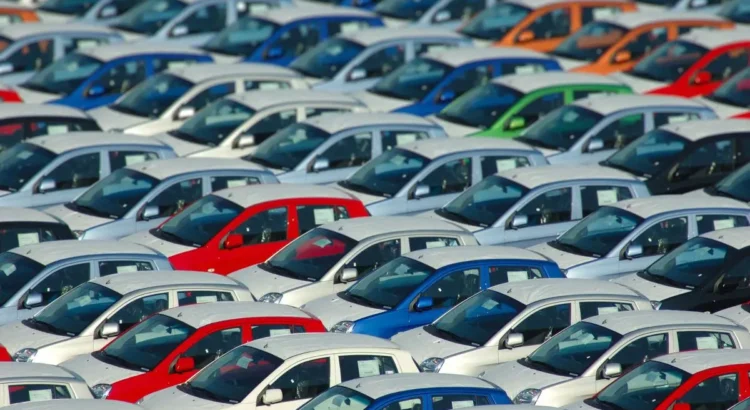
The automobile—an invention that has irrevocably shaped the world—serves as a perfect example of how human ingenuity can fundamentally alter not just technology but entire societies. From its humble beginnings in the late 19th century to its omnipresence in the 21st century, the automobile has transformed the way we live, work, and interact with one another. But beyond the mechanical marvels, the impact of the automobile is deeply intertwined with cultural, economic, and environmental shifts that continue to reverberate today. This article explores the evolution of the automobile, its profound societal influence, and the challenges and opportunities it presents in the modern world.
The Birth of the Automobile: A Revolution in Motion
While humans had dreamed of self-propelled vehicles for centuries, it was not until the late 1800s that the automobile as we know it began to take shape. Early prototypes were clunky and inefficient, but they laid the groundwork for what would become a world-changing invention. Karl Benz is often credited with creating the first practical automobile in 1885, the Benz Patent-Motorwagen. Powered by an internal combustion engine, this vehicle was not just an engineering feat but a precursor to the modern car.
However, it was the Ford Motor Company’s revolutionary introduction of the assembly line in 1913 that truly democratized the automobile. Henry Ford’s Model T, which became the first mass-produced car, made automobiles affordable to the middle class. The Model T’s success was a defining moment in history, as it symbolized the transition from luxury goods to necessities. It catalyzed the rise of consumer culture, reshaping economies and societies across the globe.
The Car as a Symbol of Progress and Freedom
By the mid-20th century, the automobile had transcended its utilitarian roots and had come to symbolize personal freedom, independence, and social status. In post-World War II America, the car was integral to the burgeoning suburban lifestyle. The concept of “the open road” became deeply ingrained in American culture, with iconic images of cross-country road trips, drive-in movies, and the freedom to travel wherever and whenever one wished.
The mass production of cars, combined with the increasing popularity of highways and road infrastructure, allowed people to live farther from their places of work, fostering the growth of suburban neighborhoods. Automobiles became central to the American Dream, a manifestation of prosperity and self-determination. Cars like the Chevrolet Corvette, Ford Mustang, and Cadillac became more than just transportation—they were status symbols, expressions of personality, and key players in shaping cultural identity.
But this sense of freedom was not confined to the United States. Across the globe, the automobile became a tool of social mobility and a symbol of modernity. In Europe, Japan, and even developing nations, the automobile opened up new possibilities for individuals and families, enabling greater access to work, education, and leisure. For many, the car was not just a mode of transport; it was a ticket to a new world.
The Environmental and Economic Impact
As the automobile became a central fixture in the daily lives of millions, its broader economic and environmental consequences began to manifest. The automobile industry became a pillar of economic growth in many countries, contributing significantly to job creation and industrial innovation. In the United States, for instance, the automotive sector employed millions and became an economic engine that fueled the rise of cities and industries.
However, the widespread adoption of cars also came with significant environmental costs. The emissions from millions of vehicles on the road have been a major contributor to air pollution, smog, and climate change. The fossil fuels that power most vehicles are a finite resource, and the demand for oil has led to geopolitical tensions, environmental degradation, and resource depletion. The car-centric infrastructure of the 20th century has also contributed to urban sprawl, leading to the fragmentation of natural habitats and an increase in energy consumption.
The growing awareness of these environmental challenges has prompted calls for a shift toward more sustainable modes of transport. In recent years, electric vehicles (EVs) have emerged as a promising alternative to the internal combustion engine, offering the potential to significantly reduce carbon emissions. As governments and private companies invest heavily in EV technology, the future of the automobile may well be electric, marking a new chapter in the car’s evolution.
Autonomous Vehicles: The Future of Driving?
Perhaps the most exciting and transformative development in the automotive world is the rise of autonomous or self-driving vehicles. While fully autonomous cars are still in the testing phase, advancements in artificial intelligence, machine learning, and sensor technology are rapidly bringing the idea closer to reality. Autonomous vehicles have the potential to revolutionize not just the way we drive, but how we think about driving.
The benefits of autonomous vehicles are manifold. For one, they could drastically reduce traffic accidents, which are a leading cause of death worldwide. Human error is responsible for the majority of car accidents, and by removing the human element from the equation, autonomous vehicles could make the roads significantly safer. Moreover, self-driving cars could reduce traffic congestion, optimize fuel efficiency, and provide mobility solutions for people with disabilities or the elderly.
However, the widespread adoption of autonomous vehicles is not without its challenges. Ethical concerns around decision-making algorithms, the potential loss of jobs in the driving industry, and the need for new infrastructure to accommodate autonomous vehicles are all hurdles that need to be addressed. Additionally, questions about privacy and cybersecurity in a world where vehicles are constantly collecting and sharing data have yet to be fully resolved.
The Road Ahead: A New Era of Mobility
As we look toward the future, it’s clear that the automobile will continue to evolve in response to changing technological, economic, and environmental pressures. Electric and autonomous vehicles represent just the beginning of this new era of mobility. In the coming decades, we are likely to see innovations in vehicle design, fuel efficiency, and sustainability that will fundamentally alter the way we experience transportation.
The rise of car-sharing services, ride-hailing apps, and the growing emphasis on public transportation are also reshaping how we think about ownership and mobility. In urban areas, the convenience of on-demand transportation could reduce the need for private car ownership, leading to fewer vehicles on the road and less congestion. In turn, this could help to create cleaner, more sustainable cities.
Ultimately, the automobile’s journey from a rare and expensive novelty to a ubiquitous part of daily life is a testament to human innovation. As we enter a new era, the challenges of sustainability, safety, and urban planning will shape the next chapters of the automobile’s story. Whether the car will remain a central part of human life or evolve into something unrecognizable is yet to be seen, but one thing is certain: the automobile will continue to influence our world in profound ways for generations to come.
