

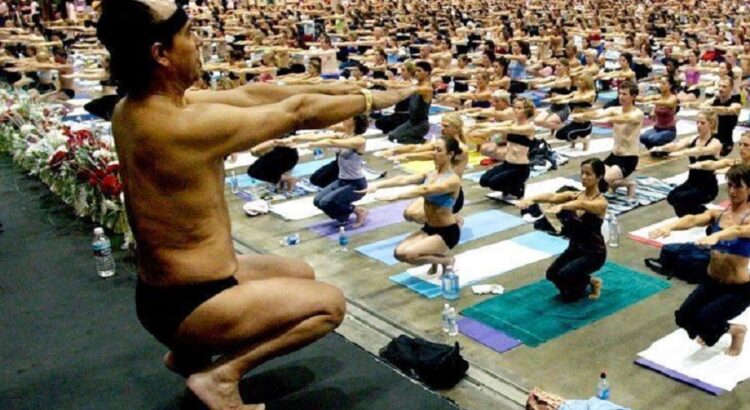
Starting something new can be both exciting and intimidating, especially when it involves stepping into a heated studio, surrounded by experienced practitioners, and facing a 90-minute session of structured postures. For many first-timers, Bikram yoga feels like a physical and mental leap. But what begins as a challenge often transforms into a deeply rewarding routine. Whether you are looking to build flexibility, detoxify, strengthen your mind-body connection or simply find time for yourself, bikram yoga offers an accessible yet empowering pathway—regardless of your current fitness level.
What to Expect as a Beginner in Bikram Yoga
The first step in your Bikram journey is showing up. Each class follows the same sequence of 26 postures and 2 breathing exercises in a room heated to around 40°C. The consistency of the sequence is a major advantage for beginners, as it allows you to progressively improve with each session.
The Room Will Feel Hot—And That’s Normal
Expect to feel overwhelmed by the heat in your first few classes. It’s not uncommon to sit or lie down to acclimatise. Your body is learning to adapt to a new environment. With each session, your tolerance will improve.
You Don’t Need to Be Flexible
There is a common myth that yoga is only for the flexible. In reality, Bikram yoga is designed for all levels. Each posture has stages, and you’ll only go as far as your body allows. Progression comes with regular practice and patience.
It’s Okay Not to Finish Every Pose
You may not be able to perform every pose fully in your first few classes. That’s completely fine. The goal is to try your best while maintaining correct form, not to be perfect.
Common Challenges Beginners Face (And How to Beat Them)
While Bikram yoga is beginner-friendly, it’s still demanding. Here are some typical obstacles new students encounter—and practical ways to navigate them.
1. Overheating or Dizziness
Why it happens: Your body is adjusting to the heat and intensity.
What to do:
-
Take child’s pose or lie on your mat when needed.
-
Avoid gulping water too quickly. Sip it slowly instead.
-
Hydrate well the day before and leading up to your session.
2. Self-Consciousness
Why it happens: You might feel uncomfortable being around experienced practitioners.
What to do:
-
Focus on your own mat. Everyone was a beginner once.
-
Choose a spot at the back or corner of the room if it helps you feel more at ease.
3. Muscle Fatigue or Soreness
Why it happens: You’re using muscles that may have been inactive.
What to do:
-
Stretch gently after class and ensure you get quality sleep.
-
Include foods rich in potassium and magnesium to aid recovery.
Building Confidence in Your Practice
Confidence in Bikram yoga doesn’t come from performing every pose perfectly. It grows from consistency, self-awareness, and recognising progress.
Track Your Progress
Keep a journal to note how you felt after each class. Document improvements in posture, balance, flexibility, or even your mindset. This builds positive reinforcement.
Celebrate Small Wins
Were you able to stay in the room for the entire class today? Hold a posture longer than before? That’s progress. Acknowledge it.
Build a Routine
Try to commit to at least 2–3 sessions a week. This consistency makes it easier to adjust physically and mentally, while allowing visible changes to emerge.
Tips for a Successful First Month
The first month can set the tone for your entire journey. Here are some beginner-friendly tips to support your practice:
-
Hydrate well before class, not just during. Aim for 1–2 litres throughout the day.
-
Avoid heavy meals 2–3 hours before class. A banana or a small protein snack is ideal if you’re hungry.
-
Wear lightweight, breathable clothes. Moisture-wicking fabric helps manage sweat.
-
Arrive 15 minutes early to get comfortable with the space and introduce yourself to the instructor.
-
Listen to your body, not your ego. It’s okay to rest, adjust or take breaks when needed.
What Makes the Bikram Environment Empowering?
Studios like Yoga Edition are designed to support beginners through their wellness transformation. From experienced instructors to welcoming community members, the environment plays a vital role in shaping your experience.
-
No mirrors on every wall: Focus stays inward.
-
Supportive instructors: You’ll receive cues, encouragement, and adjustments without judgement.
-
Everyone sweats: No one looks glamorous in class. Everyone is there to work.
This creates a safe, motivating space where you can explore your potential.
FAQ
Q. How long will it take to feel comfortable in class?
A. Most students report feeling more confident after 3–5 classes. By the second week of consistent practice, the heat feels more manageable, and postures become more familiar.
Q. Do I need to bring my own mat and towel?
A. It depends on the studio. Some provide rental mats and towels, while others may expect you to bring your own. It’s best to bring a large towel for your mat and a smaller one to wipe sweat.
Q. What if I can’t do certain postures due to an injury or limitation?
A. Always inform your instructor beforehand. Modifications are often available. The goal is to move safely and mindfully, not force yourself into discomfort.
Q. Can Bikram yoga help with anxiety or stress?
A. Yes. The structured breathing, focused attention, and physical exertion release endorphins and lower cortisol. Many practitioners report reduced anxiety over time.
Q. Will I lose weight as a beginner?
A. Some do, especially if Bikram yoga becomes part of a broader lifestyle shift. Initial weight loss may also be water weight, but long-term fat loss is possible with regular attendance and healthy eating.