

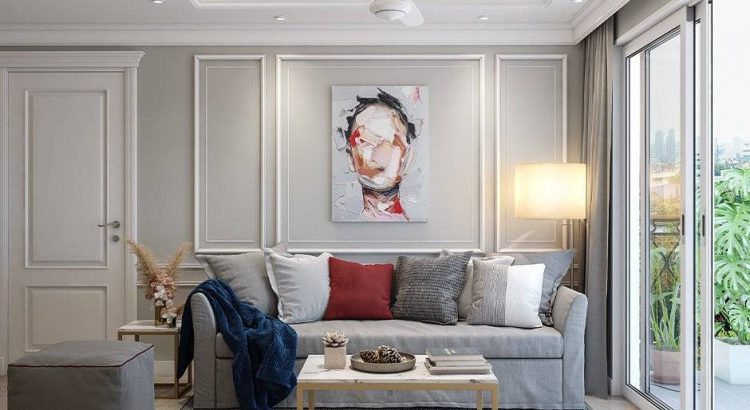
Architectural moulding offers a remarkable way to add character and sophistication to any room. These decorative elements can change a simple space into a detailed and elegant interior. From skirting boards to elaborate ceiling medallions, the possibilities for enhancing your home are extensive. This approach allows homeowners to express their unique style while honouring traditional design principles.
In Thailand, where intricate details and a sense of harmony are valued in design, moulding can be a perfect addition. The right profiles can echo the graceful lines found in traditional Thai architecture, bringing a sense of heritage into modern living spaces. Using prefabricated moulding (known as บัวสำเร็จรูป in Thai) makes it simpler to achieve complex and beautiful results efficiently, allowing for stunning transformations without extensive construction time. This material helps create a refined atmosphere that feels both classic and fresh.
The beauty of moulding lies in its versatility. You can use it to frame doorways, create feature walls, or add a finishing touch to the intersection of walls and ceilings. This technique adds layers of visual interest and depth. For interiors inspired by Thai aesthetics, consider designs that mimic natural forms or traditional patterns, like the elegant lotus flower or flowing motifs. This connects the home to its cultural roots while maintaining a polished look.
Elevating Spaces with Detail
Moulding does more than just decorate, it serves a functional purpose. It can conceal the joints between different surfaces, such as where walls meet floors or ceilings, providing a clean and seamless finish. This small detail significantly improves the overall quality and feel of a room, making it appear more complete and well-designed.
In contemporary Thai homes, which often blend modern minimalism with traditional touches, moulding can bridge the gap between styles. A simple, clean-lined moulding can complement a modern interior, while a more ornate design can act as a feature piece in a room that celebrates heritage. The key is to choose a style that supports the room’s overall theme, creating a balanced and cohesive environment.
Creating Harmony and Flow
The strategic placement of moulding helps guide the eye through a space, creating a sense of flow and connection between different areas. You can use it to define specific zones within an open-plan living area or to add a sense of grandeur to an entrance hall. The continuity of a moulding design throughout a home can tie the entire interior together.
Consider materials and colours that reflect the local environment. Lighter shades can make rooms feel more spacious and airy, which is ideal for managing the tropical climate. Finishes that resemble natural wood can bring warmth and a connection to nature indoors, a concept deeply appreciated in Thai design. By carefully selecting moulding, you can craft an interior that is not only beautiful but also a true reflection of personal and cultural identity.