

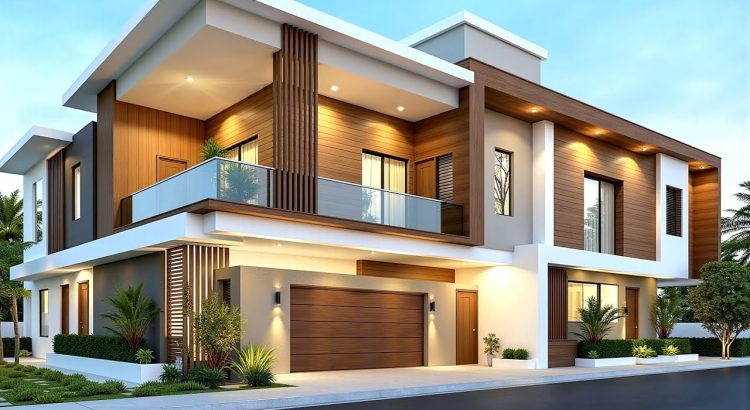
Thailand’s tropical climate presents unique challenges for architects and developers striving to create comfortable, sustainable structures. With temperatures regularly exceeding 30°C and humidity levels that can make indoor spaces uncomfortable without proper ventilation, traditional building methods often fall short of modern sustainability standards.
Smart technology integration has revolutionised how Thai buildings manage energy consumption. A building automation solutions company can implement systems that automatically adjust lighting, air conditioning, and ventilation based on occupancy patterns and external weather conditions. These intelligent systems reduce energy waste while maintaining optimal comfort levels for occupants.
Passive cooling strategies have gained significant traction in Thai architectural design. Double-height ceilings, strategic window placement, and natural ventilation systems work together to reduce reliance on mechanical cooling systems. These design elements take advantage of Thailand’s consistent wind patterns, particularly during the monsoon season, to create natural air circulation throughout buildings.
Solar energy integration has become increasingly viable in Thailand due to abundant sunshine throughout the year. Rooftop solar panels and solar water heating systems provide renewable energy sources that significantly reduce electricity costs. Government incentives for renewable energy adoption have made these installations more accessible for residential and commercial developments.
Green building materials sourced locally contribute to both energy efficiency and environmental sustainability. Bamboo, recycled timber, and locally-produced concrete alternatives reduce transportation emissions while providing excellent insulation properties. These materials also support local economies and reduce construction costs.
Water management systems play a crucial role in sustainable Thai building design. Rainwater harvesting systems capture monsoon rainfall for irrigation and non-potable uses, reducing demand on municipal water supplies. Greywater recycling systems treat wastewater from sinks and showers for reuse in toilets and garden irrigation.
Tropical landscaping around buildings creates natural cooling effects through evapotranspiration. Native plant species require minimal irrigation while providing shade and reducing ambient temperatures around structures. Green walls and rooftop gardens not only improve aesthetics but also provide additional insulation.
Building orientation significantly impacts energy efficiency in Thailand’s equatorial climate. Structures positioned to minimise direct sunlight exposure during peak hours reduce cooling loads substantially. East-west orientation for major facades, combined with deep overhangs and external shading devices, prevents excessive heat gain.
Modern Thai buildings increasingly incorporate mixed-use designs that reduce transportation energy consumption. Combining residential, commercial, and office spaces within single developments creates walkable communities that reduce car dependency and associated emissions.
Government regulations and certification programmes encourage energy-efficient building practices. The Thai Green Building Institute’s rating system provides frameworks for measuring and improving building performance. These standards help developers and architects implement best practices while ensuring projects meet sustainability targets.
The future of Thai building design lies in balancing traditional architectural wisdom with contemporary technology. Local construction techniques that have withstood centuries of tropical conditions, combined with modern energy management systems, create buildings that are both culturally appropriate and environmentally responsible.
Energy-efficient building design in Thailand represents a growing commitment to environmental stewardship whilst addressing the practical needs of occupants in challenging tropical conditions.

