

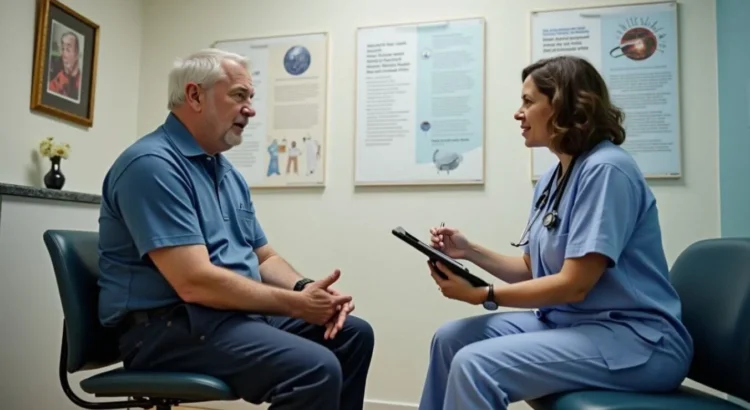
When lodging a claim with the Department of Veterans’ Affairs (DVA), comprehensive medical evidence is fundamental to a successful outcome. This documentation serves as the foundation upon which your claim is built, providing a clear and objective link between your service and your current health condition. A well-supported claim relies on detailed information from qualified medical professionals to demonstrate the nature and extent of your injury or illness.
The DVA requires a substantial body of evidence to assess liability and determine the appropriate level of compensation or assistance. Strong medical reports are essential for this process. They offer a professional assessment of your condition, its causes, and its impact on your daily life. Providing thorough medical documentation can streamline the assessment, ensuring the DVA has all the necessary information to make a fair determination. This is a vital component of the overall DVA support system for veterans.
The process of gathering this evidence involves working closely with your treating doctors, specialists, and other healthcare providers. Their reports should clearly articulate your diagnosis, prognosis, and the connection between your condition and your military service. This link, known as the nexus, is often the most important part of the evidence. Without a clear medical opinion linking your condition to a specific service-related event or period, a claim can be difficult to establish.
So, what constitutes strong medical evidence? It includes, but is not limited to, reports from your General Practitioner (GP) and specialists such as orthopaedic surgeons, psychiatrists, or psychologists. These reports should detail your medical history, the symptoms you experience, and the results of any examinations or tests. For example, in a claim for a physical injury, evidence might include X-rays, MRI scans, and a specialist’s report outlining the extent of the injury and its long-term effects.
For mental health conditions, the requirements are just as specific. A diagnosis from a psychiatrist or registered psychologist is necessary. Their report should be based on established diagnostic criteria, such as the DSM-5, and provide a detailed history of your symptoms, their severity, and how they affect your capacity to work and function socially. It is beneficial for the report to comment directly on the service-related factors that contributed to the condition.
Ultimately, the quality and completeness of your medical evidence directly influence the strength of your DVA claim. By ensuring your documentation is thorough, accurate, and clearly links your health condition to your service, you provide the DVA with the information needed to properly assess your entitlement. This careful preparation is a significant step towards securing the recognition and assistance you deserve for your service.