

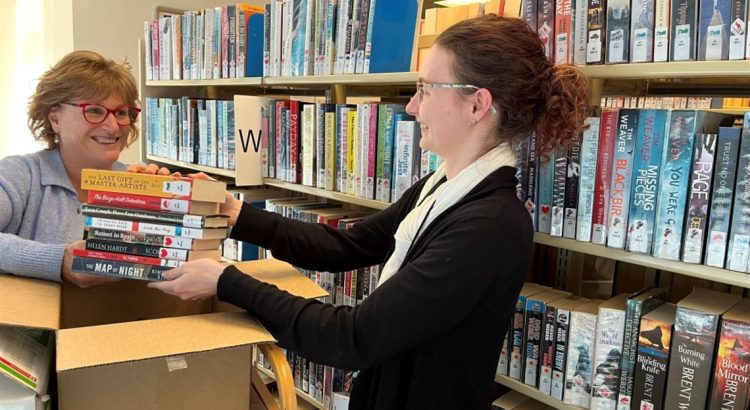
The process of relocating a library is no small task. When it comes to moving library collections, it requires meticulous planning, careful handling, and a deep understanding of the intrinsic value of literary treasures. In Australia, with its range of public, academic, and special libraries, library relocation is particularly significant.
The Importance of Library Relocation
Libraries are repositories of knowledge, culture, and history. Each book, manuscript, and document within their walls holds immense value, not just in terms of information, but also as artefacts that reflect our collective heritage. Therefore, when it becomes necessary to move these collections, whether due to renovation, expansion, or other factors, the process must be executed with the utmost care to prevent damage and loss.
Planning and Preparation
Effective library relocation begins long before the first book is packed. Detailed planning is essential to ensure that every aspect of the move is accounted for. This includes:
- Assessing the Collection: Understanding the types of materials in the collection, from fragile manuscripts to robust periodicals, helps in determining the appropriate handling and packing methods.
- Cataloguing: An accurate and comprehensive catalogue is crucial. It ensures that every item is accounted for before, during, and after the move.
- Environmental Considerations: Books and manuscripts are sensitive to environmental conditions such as temperature and humidity. Specialised climate-controlled transport may be required to prevent deterioration during the move.
Specialised Packing and Handling
Books and other library materials require specialised packing techniques to ensure their safety. This involves using acid-free boxes, cushioning for delicate items, and securing loose pages or covers. Moreover, trained personnel who understand the nuances of handling rare and valuable items are essential.
Transport and Logistics
Once packed, the transportation of library collections must be carefully coordinated. Routes should be planned to minimise the time items are in transit, and vehicles should be equipped to protect the integrity of the collection. Often, this includes climate control and shock-absorbing features to prevent movement and vibration damage.
Reinstallation and Organisation
Upon arrival at the new location, the careful process of unpacking and re-shelving begins. This stage is as critical as the packing and transport stages, requiring precision to ensure that the catalogue remains accurate and that each item is placed correctly.
Challenges and Considerations
Library relocation in Australia presents unique challenges. The vast distances between major cities can complicate logistics, and the diverse climates across the country necessitate tailored solutions for different regions. Additionally, many Australian libraries house collections of indigenous materials that require culturally sensitive handling and protocols.