
Blockchain lottery platforms offer more format diversity than traditional state-run games. Players find instant-win scratchers, sequential ticket drawings, number selection games, and progressive jackpot systems all operating through smart contracts. Each variation creates different odds, payout structures, and player experiences. Format diversity emerged as platforms competed for players. https://crypto.games/lottery/ethereum differentiate itself through unique game mechanics that appeal to different gambling preferences. Some players want frequent small wins. Others chase rare, massive jackpots. The variety lets everyone find formats matching their psychological needs and mathematical comfort levels.
Sequential ticket draws
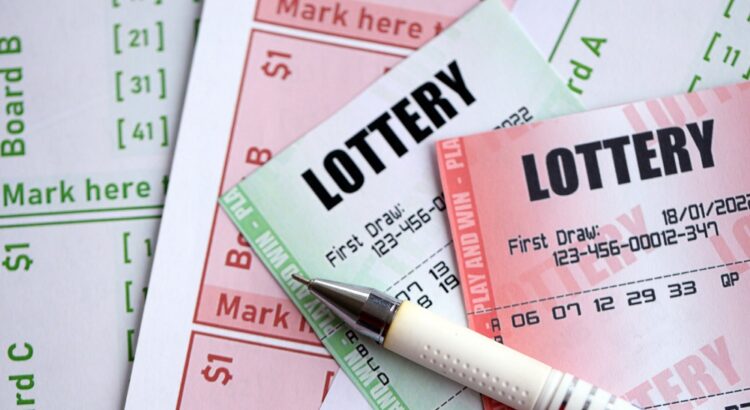
Standard sequential lotteries assign ticket numbers automatically during purchase. Buy an entry, and you get ticket #437 out of 5,000 total. The platform randomly selects winning numbers from this sequential range when drawings are executed. Your ticket either matches or it doesn’t. No player choice exists beyond deciding how many tickets to purchase. These games offer the simplest format with transparent probability calculations. Divide winning positions by total tickets sold, and you know the exact odds immediately. A 3,000-ticket drawing paying first through tenth place gives 0.33% overall winning probability. The straightforward mathematics appeals to players wanting clear expected value calculations without complicated combinatorial odds.
Drawing schedules vary considerably between platforms. Hourly drawings keep action constant but build smaller prize pools since the accumulation time stays limited. Daily lotteries generate moderate jackpots through 24-hour ticket sales. Weekly formats accumulate the largest prizes by pooling participation across seven days.
Number selection formats
Traditional lottery mechanics, where players choose specific number combinations, exist on some blockchain platforms. Pick six numbers from a pool of 1 through 49, or select five numbers plus a bonus ball. The drawing generates random winning combinations, and player selections either match or don’t. These formats create astronomical odds through combinatorial mathematics. Choosing six numbers from 49 creates nearly 14 million possible combinations. Your single selection faces 1 in 13,983,816 odds. Adding bonus balls or expanding number pools pushes probability into absurd territory where winning becomes statistically meaningless for practical purposes.
The appeal comes from player agency rather than assigned tickets. People enjoy selecting their own numbers even when mathematics proves that the choice provides zero advantage. Birthday combinations, lucky numbers, and personal patterns give players psychological ownership over entries that sequential assignment doesn’t offer.
Instant win mechanics
Scratch-off style games are adapted for blockchain through smart contracts that reveal outcomes immediately upon purchase. Buy a digital scratcher, and the result appears instantly rather than waiting for scheduled drawings. Outcomes get predetermined when tickets are generated, but stay encrypted until the purchase happens.
Provably fair verification lets players confirm outcomes weren’t manipulated after their purchase. The smart contract commits to results before revealing them, using cryptographic methods that prevent post-purchase tampering. This transparency exceeds physical scratch tickets, where players must trust printing processes to produce fair distributions. Instant games trade jackpot size for immediate gratification:
- No waiting for drawing schedules
- Results appear within seconds of purchase
- Smaller prize pools since no accumulation happens
- Higher overall hit frequency with reduced individual payouts
- Perfect for players wanting constant action over delayed results
Raffle style variations
Fixed ticket supply raffles sell predetermined entry counts rather than unlimited tickets. 1,000 tickets exist in total. Once they sell out, no more purchases happen. The drawing executes after sellout regardless of how long that takes. This caps participant pools at specific sizes, improving odds compared to unlimited entry formats. Players know the exact probability before purchasing since the total tickets stays fixed. Buying one ticket in a 1,000-entry raffle gives 0.1% odds guaranteed. Sequential lotteries with unlimited tickets leave the probability uncertain until sales close.
Ethereum lottery variations range from simple sequential draws through complex number selections, instant-win scratchers, and fixed-supply raffles. Each format creates distinct mathematical profiles, payout structures, and player experiences. If you know these differences, you can identify which games are more enjoyable or provide better value than others.