


Hybrid teams need space that supports different ways of working, not just somewhere to sit for a few hours. Some days call for focused individual work, while others involve planning sessions, client meetings or team catch-ups. Choosing a co working space in Bangkok gives businesses a flexible professional base that bridges the gap between home working and the commitment of a permanent office.
Hybrid Work Needs More Than Home Working
Working from home can be useful, but it does not solve every business need. Some tasks require quiet focus, while others depend on conversation, planning and quick decision-making. A team may be able to manage routine work remotely, but still need a proper setting for workshops, client meetings, onboarding or project reviews.
This is where a flexible workspace can add real value. It gives people somewhere to come together when face-to-face work matters, without requiring the business to maintain a full-time office that may sit partly empty. For hybrid teams, the aim is not to replace remote work, but to support it with better physical options.
The Office Is Becoming More Intentional
Many companies now use office space more deliberately. Instead of expecting staff to attend every day, they focus on moments when being together has a clear purpose. That might include strategy sessions, creative planning, training, performance reviews or team-building days.
The CIPD’s guidance on hybrid working highlights how organisations need to think carefully about communication, inclusion and working practices when teams are split across locations. A well-designed coworking environment can help with this by giving teams a professional place to meet, align and collaborate when remote tools are not enough.
Why Bangkok Is A Strong Base For Flexible Teams
Bangkok is a busy commercial city with a mix of local businesses, regional headquarters, entrepreneurs and international professionals. For teams operating across Thailand or Southeast Asia, having access to a central workspace can make meetings and project work much easier to organise.
Location matters because hybrid teams often have limited time together. If people are travelling from different areas, the workspace needs to be easy to reach, close to transport and supported by nearby food, coffee and business facilities. A convenient setting reduces friction and helps people use shared time more effectively.
What Teams Should Look For
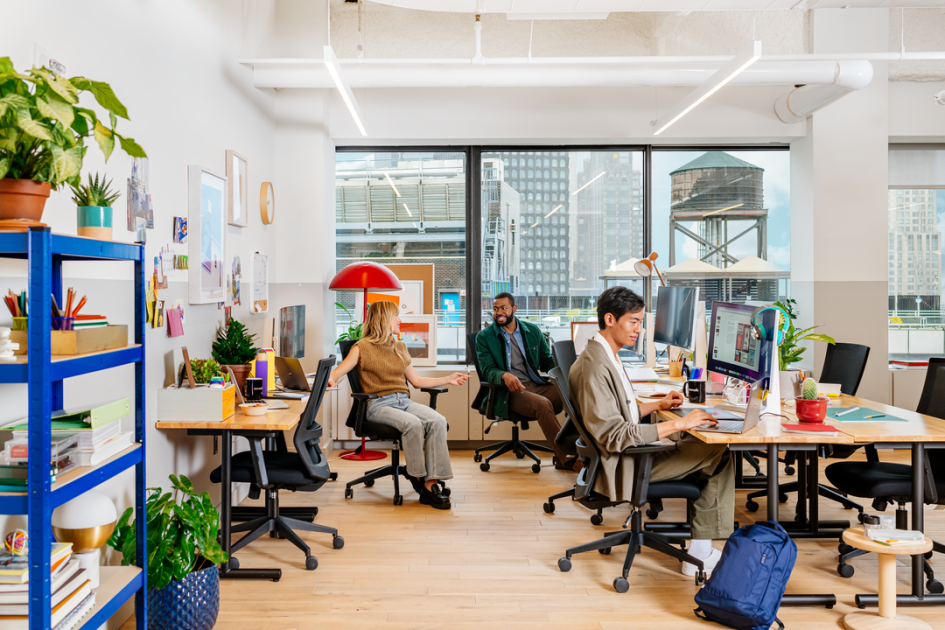
A coworking space used by teams should offer more than hot desks. Meeting rooms, presentation facilities, call booths, breakout areas and dependable internet are all important. The space should allow people to move between formal discussion and informal conversation without feeling cramped or distracted.
Privacy is another consideration. Some team conversations involve sensitive client work, financial planning or internal decisions. Access to enclosed rooms or quieter zones can make the workspace more suitable for serious business use. Comfort also matters, especially for full-day sessions where poor seating or noise can quickly reduce concentration.
Supporting Culture Without A Permanent Office
One challenge of hybrid working is maintaining a shared team culture. When people rarely meet in person, communication can become purely transactional. A flexible workspace gives teams a place to reconnect, discuss ideas naturally and strengthen working relationships.
This can be especially useful for younger companies that are still shaping their culture. They may not need a permanent office, but they do need moments where people feel part of the same organisation. Regular use of a coworking space can provide that structure without removing the flexibility that staff and businesses value.
A good workspace helps hybrid teams work with more purpose. By providing a professional setting for the moments that matter most, it allows businesses to stay flexible while still giving people the benefits of shared focus, better communication and stronger collaboration.