

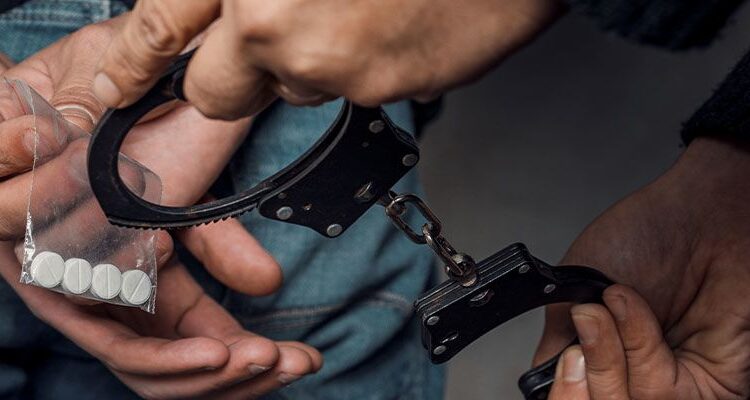
Understanding the Seriousness of Drug Charges
Drug-related offenses carry significant legal consequences, ranging from fines and probation to lengthy prison sentences. The severity of the penalties depends on several factors, including the type and quantity of the substance, intent (possession versus distribution), and prior criminal history. Law enforcement agencies and prosecutors pursue these cases aggressively, often relying on evidence obtained through searches, surveillance, or undercover operations.
A skilled criminal lawyer plays a vital role in challenging the prosecution’s case, ensuring that the defendant’s rights are protected, and crafting a defense strategy tailored to the specifics of the case. Every legal defense is built on meticulous analysis, legal knowledge, and strategic argumentation designed to weaken the prosecution’s claims.
Examining the Legality of the Search and Seizure
One of the most effective defenses against drug charges involves questioning how the evidence was obtained. The Fourth Amendment protects individuals from unlawful searches and seizures, meaning law enforcement must follow strict legal procedures when collecting evidence.
A lawyer investigates whether officers had a valid search warrant, probable cause, or legal justification for a traffic stop, home search, or personal search. If law enforcement violated legal procedures—such as conducting a search without proper authorization—the lawyer can file a motion to suppress the evidence. Without key evidence, the prosecution’s case may weaken substantially, leading to reduced charges or a possible dismissal.
Challenging Possession Allegations
Drug possession cases often rely on the prosecution’s ability to prove that the accused had control over the substance. However, mere proximity to drugs does not establish legal possession.
A criminal lawyer scrutinizes whether the defendant was in actual or constructive possession of the substance. Actual possession means the drugs were found on the person, while constructive possession means they were found in a location the defendant had access to, such as a car or shared apartment. If the drugs were discovered in a place accessible to multiple individuals, the lawyer may argue that the defendant had no knowledge or control over them.
This defense is particularly effective in cases where the prosecution relies on circumstantial evidence rather than direct proof of possession.
Proving Lack of Intent to Distribute
In cases involving larger quantities of drugs, prosecutors often attempt to escalate charges from simple possession to possession with intent to distribute. This distinction significantly increases the potential penalties.
A lawyer challenges these claims by demonstrating that the presence of a larger quantity does not automatically imply intent to distribute. They may present evidence that the drugs were intended for personal use rather than sale. Additionally, they may question the interpretation of items such as scales, plastic bags, or large sums of cash, which prosecutors often use to suggest drug distribution. If the prosecution cannot establish intent beyond a reasonable doubt, charges may be reduced or dismissed.
Questioning the Credibility of Witnesses and Informants
Many drug cases rely on testimony from confidential informants, undercover officers, or cooperating witnesses. These individuals may have personal motives, such as reducing their own legal consequences or gaining financial incentives.
A lawyer cross-examines these witnesses to uncover inconsistencies, biases, or ulterior motives that may affect their credibility. If the testimony is unreliable, it weakens the prosecution’s case and raises reasonable doubt. Additionally, if entrapment can be demonstrated—meaning law enforcement induced the defendant to commit a crime they otherwise would not have committed—it may serve as a valid defense.
Evaluating the Accuracy of Drug Testing and Evidence Handling
Forensic testing plays a crucial role in drug cases, but errors in handling or analysis can lead to wrongful accusations. A lawyer investigates whether the seized substance was properly tested and whether the chain of custody was maintained correctly.
If evidence was mishandled, contaminated, or stored improperly, its reliability becomes questionable. In some instances, substances initially suspected to be illegal drugs turn out to be legal substances or lack sufficient purity to qualify as a controlled substance under the law. Any discrepancies in forensic procedures can serve as a powerful defense.
Negotiating Alternative Sentencing and Rehabilitation Programs
Even when the evidence against a defendant is strong, a lawyer explores legal avenues to minimize the consequences. Many jurisdictions offer diversion programs, rehabilitation initiatives, or alternative sentencing options for non-violent drug offenders, particularly first-time offenders.
A lawyer advocates for options such as drug treatment programs, probation, or community service instead of incarceration. These alternatives not only help the accused avoid severe penalties but also focus on rehabilitation rather than punishment, allowing them to rebuild their lives without a permanent criminal record.
The Importance of a Strong Legal Defense
Drug charges can have lasting consequences, affecting employment opportunities, housing, and personal freedoms. A criminal lawyer provides a strategic defense by challenging evidence, questioning the legality of law enforcement actions, and negotiating favorable outcomes. The right legal representation ensures that rights are protected, the prosecution’s case is thoroughly scrutinized, and every possible defense is explored.