

Social-emotional learning (SEL) is a key component of early childhood education. At Brooke Grove preschool in Olney, MD, we’ve integrated SEL into daily activities, helping children to develop emotional intelligence and essential social skills that will benefit them throughout their lives. The discussions that follow explore the importance of SEL, practices in preschool environments, its benefits, and tips for parents to support their child’s social-emotional growth at home.
What is Social-Emotional Learning?
Social-emotional learning (SEL) is the process through which children understand and manage their emotions. Carefully designed programs at Olney, MD preschool help young children learn to set positive goals, show empathy for others, and establish healthy relationships. SEL equips children with the skills needed to navigate social complexities and make responsible decisions.
In early childhood, SEL is crucial as it lays the foundation for future emotional and social development. Children who develop strong social-emotional skills tend to perform better academically and have better mental health. These skills also help them build strong relationships and cope with life’s challenges.
SEL Practices at Brooke Grove
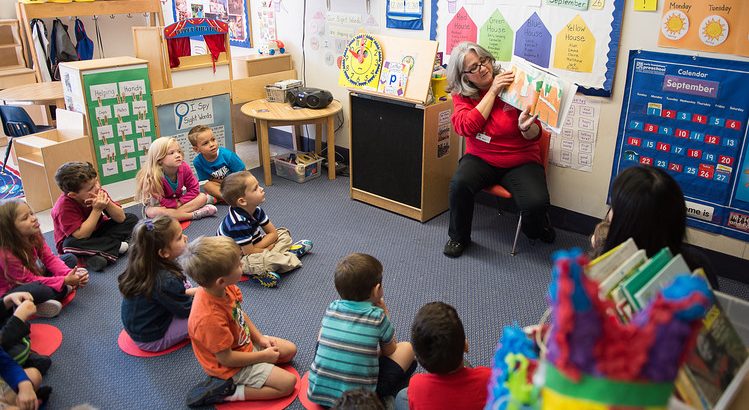
At our preschool in Olney, MD, we incorporate SEL into our daily routines and activities. Teachers guide children in recognizing and naming their emotions. They also use stories and role-playing to teach empathy and perspective-taking.
Children engage in cooperative play, which fosters teamwork and communication. Activities like group projects and games require children to work together, share, and take turns. These experiences are invaluable in teaching children how to interact positively with their peers.
Benefits of SEL
The benefits of SEL extend far beyond the preschool years. Children who receive SEL instruction show improved academic performance. They are better able to focus, manage stress, and stay motivated.
In addition to academic success, SEL contributes to better relationships and mental health. Children with strong social-emotional skills form healthier friendships and experience fewer behavioral problems. These skills also help reduce anxiety and depression.
Tips for Parents
SEL’s domain spans beyond the Olney, MD preschool environment. Parents play a crucial role in supporting their child’s social-emotional development too. One way to do this is by modeling emotional regulation. Show your child how to manage stress and express emotions appropriately.
Encourage open communication at home. Ask your child about their feelings and listen without judgment. Reading books about emotions and discussing the characters’ feelings can also be helpful. By fostering an emotionally supportive home environment, parents can reinforce the SEL practices taught at Brooke Grove.
Building Emotional Intelligence and Social Skills at an Early Age
Social-emotional learning is essential for a child’s overall development. At our preschool in Olney, MD, we integrate SEL into every aspect of our curriculum. The benefits of these skills are long-lasting, contributing to academic success, better relationships, and improved mental health.
Parents can enhance their child’s SEL by practicing emotional regulation and fostering open communication. Together, preschool staff and parents can provide a strong foundation for children’s social-emotional growth. Investing in SEL today sets the stage for a brighter, more resilient future for every child.
Brooke Grove’s innovative SEL practices make it a leading preschool in the region. By prioritizing social-emotional development, our preschool curriculum ensures children are well-prepared for life’s challenges.

